

| Threat Type | Defense Evasion via EDR / Sysmon Disruption |
|---|---|
| Severity | High (Critical for Detection & Response; Enables Ransomware & APT Persistence – Comparable CVSS ~8.5–9.0) |
| Affected Systems | Windows 11 Insider Preview builds (Dev 26300.7733+, Beta 26220.7752+); Expected rollout to stable Windows 11 and Windows Server 2025 |
| Attack Vector | Local – Privilege Escalation, BYOVD (Bring Your Own Vulnerable Driver), Kernel Exploits, Direct Driver / ETW Tampering |
| Exploitation Status | Actively Exploited (Ransomware groups & APTs routinely disable Sysmon/EDR via BYOVD & kernel techniques; Native version newly released & expected to face similar attacks) |
| Mitigation Availability | Partial – HVCI, Microsoft Vulnerable Driver Blocklist, Restricted Admin Tokens, Behavioral EDR; No complete fix for kernel-level evasion |
| Core Mechanism | Abuse of vulnerable signed drivers or direct kernel manipulation to unload/disable Sysmon filter driver, ETW providers, or EDR callback routines |
| Preview Pane Safety | Safe (No auto-execution risk from viewing Sysmon events) |
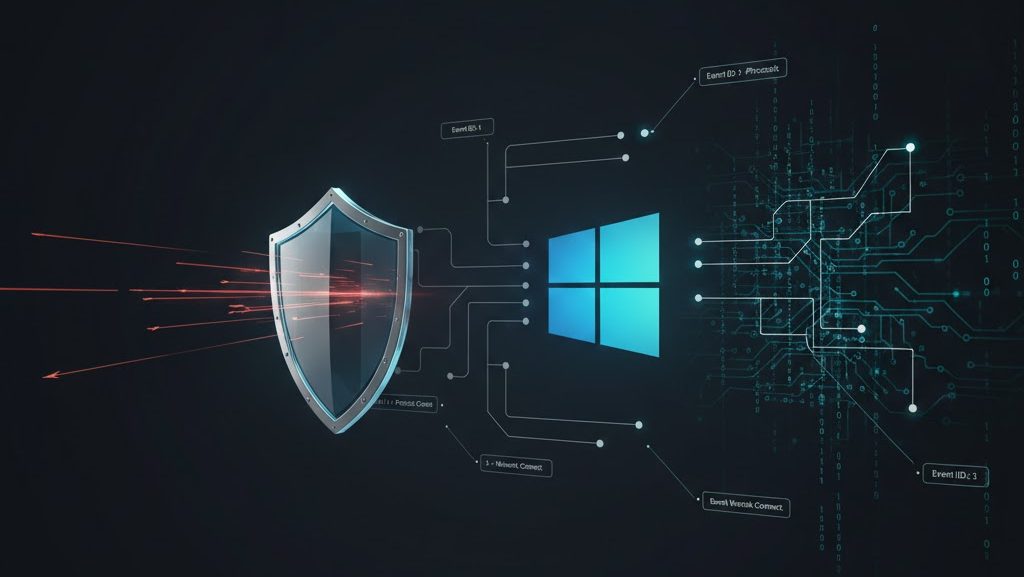
In February 2026, Microsoft began rolling out native System Monitor (Sysmon) functionality to Windows 11 Insider Preview builds. Previously a standalone Sysinternals tool requiring manual download and configuration, Sysmon is now an optional Windows feature — a major step forward for endpoint visibility. This follows years of community demand and a late-2025 announcement from Microsoft CTO Mark Russinovich.
Native Sysmon brings rich logging (process creation, network connections, file/registry changes, DNS queries) directly into Windows without third-party dependencies. It eliminates version mismatches, simplifies deployment, and ensures Microsoft handles driver updates. However, adversaries have developed sophisticated “EDR killers” that disable or blind monitoring agents — techniques already proven effective against standalone Sysmon and commercial EDR products in ransomware and APT campaigns. The core question: does native integration meaningfully raise the bar against these evasion methods, or can attackers still neutralize logging with the same tactics?
Native Sysmon retains the same powerful event types as the classic version:
Events are written to the standard Microsoft-Windows-Sysmon/Operational channel, fully compatible with existing .xml configuration files (SwiftOnSecurity, Olaf Hartong, etc.).
Many EDR killers use kernel-level manipulation. Attackers typically locate the Sysmon driver object by its name in a case-insensitive search across the kernel object namespace. Once they successfully obtain a reference to the driver, they can directly modify internal driver structures, such as nullifying the unload routine to prevent proper shutdown or patching callback registration points to stop event collection. This allows the attacker to disable logging or unload the driver cleanly without causing immediate system crashes. Additional common techniques include in-memory patching of Event Tracing for Windows (ETW) provider data structures to silence specific logging sessions targeted by Sysmon, effectively blinding the telemetry feed at the kernel level. These operations demand high privileges (usually SYSTEM or kernel mode) and are often enabled by exploiting vulnerable signed drivers for initial kernel read/write access.
EDR killers chain with ransomware payloads, credential theft, living-off-the-land binaries, or process hollowing. Trends in 2026: increased use of signed vulnerable drivers, ETW patching in memory, and direct callback removal to evade both Sysmon and commercial EDR.
BYOVD and EDR tampering remain staples in ransomware (LockBit successors, BlackCat variants) and APT operations. IoCs include suspicious driver loads (Event ID 6/7045), unexpected process terminations of Sysmon/EDR binaries, anomalous kernel memory writes, and outbound C2 after monitoring goes dark. Native Sysmon is still in Insider preview (February 2026), so real-world attacks on the built-in version are emerging — but the underlying mechanisms are already heavily targeted. Primary actors: ransomware affiliates and nation-state groups seeking stealth.
Recommended: Combine native Sysmon with modern EDR that includes kernel tamper protection and real-time driver scanning.
Proactive Step: Pilot native Sysmon in controlled environments and migrate proven configurations early.
Native Sysmon in Windows 11 is a significant leap forward for baseline endpoint visibility — removing deployment pain and ensuring consistent, Microsoft-supported logging. Yet modern EDR killers remain potent: kernel-level evasion techniques can still blind or disable monitoring, even when built-in. As ransomware and APT groups refine these methods, organizations cannot rely on Sysmon alone. Comprehensive protection demands layered defenses — HVCI, driver controls, behavioral detection, and proactive monitoring. ByteVanguard will continue tracking Windows security enhancements and evasion trends—stay informed with our updates.
Follow us on X • © 2026 ByteVanguard • Independent Cyber Threat Intelligence
If you find ByteVanguard useful, you can support the site and help keep the analysis independent.
Support the analysis